
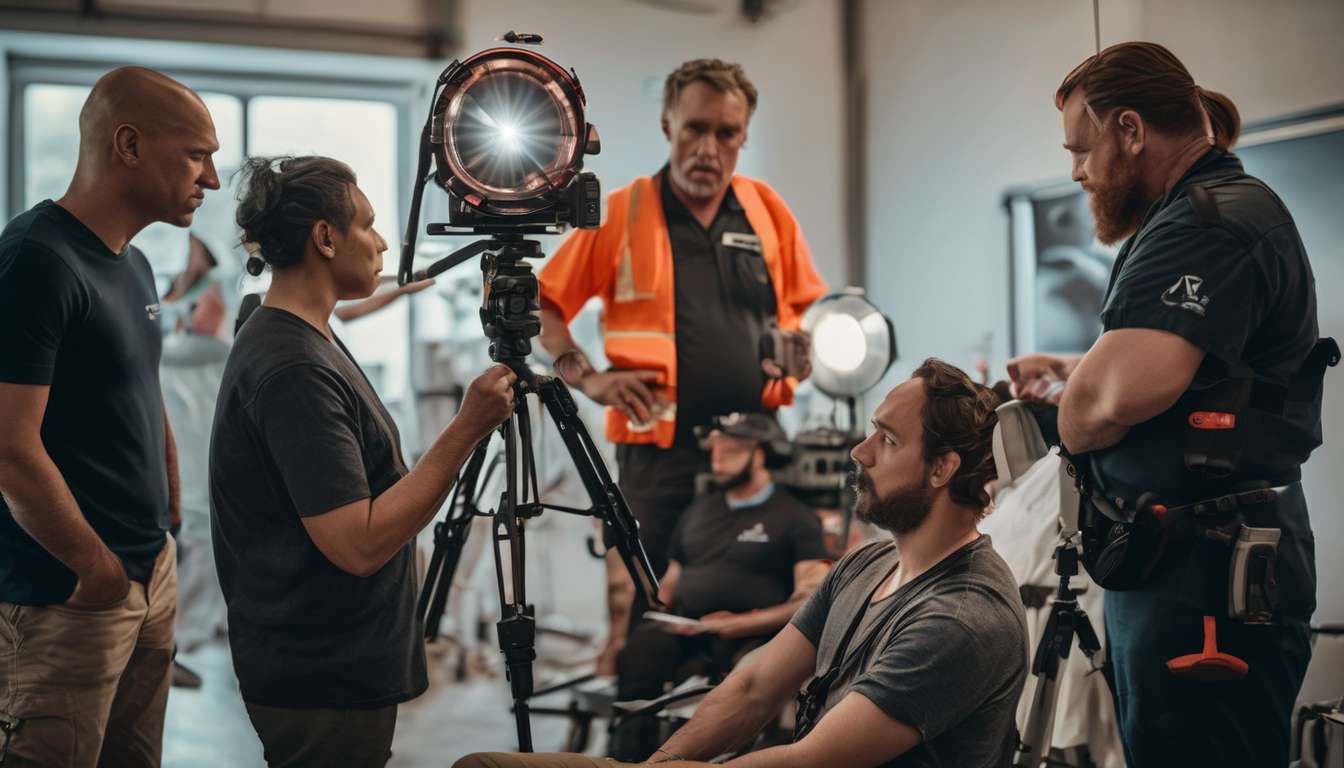
Untrained sets are dangerous, and we refuse to accept that risk as the status quo.
We believe adult film production can be both creative and safe, and rigorous workplace training is foundational, not optional.
As producers, performers, crew, and advocates, we see how clear protocols, consent education, and emergency preparedness reduce incidents and build trust across teams.
- Clear protocols establish predictable procedures for every role on set.
- Consent education ensures everyone understands boundaries and communication methods.
- Emergency preparedness gives teams the skills to respond quickly and effectively when accidents or health issues occur.
Our perspective challenges an industry habit of improvisation and secrecy; transparency and standardized training lead to better outcomes for health, legal compliance, and professional reputation.
- Transparency reduces ambiguity about expectations and reporting.
- Standardized training helps productions demonstrate due diligence for regulators and insurers.
- Professional reputation improves when stakeholders prioritize safety and ethics.
When everyone shares language about boundaries, PPE, STI screening, and de-escalation, shoots run smoother and ethical lapses become less likely.
- Establish common terminology for consent and limits.
- Implement PPE policies and demonstrate correct usage.
- Require and coordinate STI screening protocols.
- Train staff in de-escalation and bystander intervention.
This article outlines practical training models, stakeholder responsibilities, and measurable benefits so we can move from reactive fixes to proactive prevention.
- Practical training models include modular onboarding, scenario-based drills, and periodic refreshers.
- Stakeholder responsibilities span producers (policy and resources), performers (self-advocacy and compliance), crew (safe operations), and advocates/regulators (oversight and support).
- Measurable benefits include fewer incidents, lower liability, improved performer well‑being, and stronger industry credibility.
Our goal is to create production environments where artistry and safety coexist without compromise.
Why Training Matters
Consistent, practical training reduces risks, improves consent practices, and keeps performers and crew safer on set.
We build shared expectations through clear modules that teach consent protocols, PPE hygiene, and STI screening procedures.
- These modules ensure everyone knows what safe behavior looks like and why it matters.
We train together to create predictable responses in stressful moments, which strengthens trust and belonging.
- When people feel included, they speak up sooner and follow safety steps more reliably.
We use role-plays and brief refreshers that fit production schedules, focusing on actionable steps.
- What to do in common scenarios.
- Whom to notify when concerns arise.
- How to document concerns without shame.
We provide accessible resources so safety becomes routine, not an afterthought.
- Checklists.
- Designated point people.
- Concise incident-reporting forms.
We measure outcomes and iterate based on lived experience.
- Track reduced incidents and higher self-reported comfort.
- Adjust training content to reflect feedback and real situations.
The result: safer, more professional sets for everyone involved.
Consent Language Standards
We adopt clear, standardized wording everyone uses on set so people can give, withhold, or withdraw agreement quickly and without confusion.
We define concise phrases for “yes,” “no,” “pause,” and “renegotiate,” and we train crews and performers to use them consistently so no one feels isolated or unsure.
Our consent protocols are explicit about who’s responsible for checking comprehension and ensuring decisions are respected.
We create a culture where asking for clarification is welcomed and where prior boundaries are documented and revisited.
We integrate consent language into call sheets and rehearsals, so newcomers feel included and veterans feel supported.
We link consent discussions with practical safety steps — like confirming STI screening status and agreed protective measures — while keeping medical details private.
We avoid implying blame and reinforce that withdrawing consent won’t harm a person’s standing.
By standardizing language, we build mutual trust, reduce misunderstandings, and strengthen our shared commitment to dignity, belonging, and safety on every production.
PPE and On‑Set Hygiene
PPE and hygiene are required on every set.
We require appropriate personal protective equipment (PPE) on every set and maintain strict hygiene routines so performers and crew can work confidently and safely.
Visible PPE and disposal
- Gloves, barrier options, hand-sanitizing stations, and clearly labeled disposal bins are nonnegotiable.
Training and breaks
- Training shows everyone how to don, doff, and replace equipment to reduce contamination risk.
- We schedule regular breaks so protocols aren’t rushed.
Consent, comfort, and supervisor support
We link consent protocols with hygiene practices, reinforcing that asking about comfort and boundaries includes readiness to use protective measures.
- Supervisors model behavior, offering discreet reminders and supplies without judgment so every team member feels supported rather than singled out.
Cleaning documentation and reset routines
We document cleaning checklists for common-touch surfaces and reset routines between scenes, keeping shared spaces welcoming and orderly.
Coordination with health liaisons and privacy
While STI screening is discussed elsewhere in policy, we coordinate with health liaisons to ensure handoffs are seamless and privacy is respected.
Overall purpose
Together we maintain standards that protect health and strengthen mutual care on set.
STI Screening Protocols
We require regular, documented STI testing for all performers and provide clear procedures for scheduling, results handling, and confidential recordkeeping.
Procedures include:
- How tests are booked: clear instructions and responsible contacts for scheduling.
- Turnaround time for results: expected timelines so performers know when to expect results.
- Who has access to results: a limited, defined list of authorized personnel.
- Secure records storage: encrypted, access‑controlled recordkeeping and retention policies.
We make STI screening a routine part of our shared responsibility so everyone knows what to expect and feels included in protecting health.
Screening is integrated with other safety practices:
- Consent protocols: screening reinforces informed consent and agency.
- PPE hygiene: testing complements proper PPE use and other hygiene measures.
- Staff training: staff are trained to discuss testing respectfully, protect privacy, and support colleagues needing time or resources to get screened.
We outline clear steps for a positive test result.
Response steps include:
- Confidential notification to the performer tested.
- Treatment referrals to appropriate healthcare providers.
- Temporary work adjustments or reassignment to protect others while respecting the performer’s dignity.
- Documented follow‑up testing and clearance procedures before returning to certain duties.
By standardizing protocols and normalizing testing conversations, we build trust and a sense of belonging on set.
The result is a workplace where health and dignity are prioritized, enabling everyone to focus on their work with confidence.
Emergency Response Drills
We run regular emergency response drills so everyone knows their role, can act quickly under pressure, and we can identify and fix gaps in our plans.
We practice scenarios that mirror real incidents—medical concerns, sudden evacuations, or equipment failures—so people feel prepared, supported, and connected.
During drills we reinforce consent protocols as part of communication checks, ensuring responses respect boundaries while delivering aid.
We include PPE hygiene briefings so everyone remembers correct donning, doffing, and disposal under stress, reducing contamination risk.
We coordinate with on-site medical personnel to simulate STI screening follow-ups when relevant, clarifying how to escort talent discreetly and maintain confidentiality.
Debriefs are collaborative:
- We invite feedback.
- We note improvements.
- We update written procedures together.
By training this way, we build trust, normalize asking for help, and make safety a shared responsibility.
Regular, inclusive drills keep our community safer and ensure practical steps are second nature when an actual emergency happens.
Role-Based Responsibilities
We assign clear, role-specific responsibilities so every crew member knows exactly what they’re expected to do during routine operations and emergencies.
We define duties for performers, intimacy coordinators, producers, safety officers, and med-techs so everyone fits into a supportive team.
We document who enforces consent protocols, who verifies PPE hygiene, and who records STI screening results, and we make those documents accessible so no one feels left out.
We train leads to communicate boundaries and to escalate concerns, and we empower peers to speak up without fear of reprisal.
We rotate tasks where feasible to build shared ownership and prevent burnout.
We set measurable checklists for:
- pre-shoot safety checks,
- on-set behavior, and
- post-shoot debriefs.
We review role descriptions regularly, incorporate feedback from the whole crew, and adjust assignments to reflect evolving best practices.
By clarifying responsibilities, we foster trust, accountability, and a culture where safety and belonging go hand in hand.
Scenario-Based Learning
We use realistic, scenario-based drills and role-plays so crew and performers can practice responses to common and rare on-set incidents before they happen.
We run short, focused simulations that let everyone rehearse consent protocols, safe distancing, and clear verbal check-ins so responses become second nature.
PPE hygiene and handling are practiced under pressure:
- We include PPE hygiene stations.
- We run donning/doffing exercises to ensure protective equipment is handled correctly.
We rehearse sensitive reporting and referral processes:
- We practice responses when a performer reports symptoms or asks about STI screening.
- Emphasis is on compassion, confidentiality, and a clear referral pathway.
Roles rotate across scenarios so crew, performers, and health officers all experience different perspectives and build mutual respect.
We conduct non‑judgmental debriefs after each drill:
- Share observations and suggestions candidly.
- Avoid blame.
- Identify improvements to strengthen team cohesion and trust.
Outcome: By practicing realistic situations together, we reduce hesitation, normalize safety behaviors, and create an inclusive environment where everyone feels responsible for wellbeing and confident to speak up.
Measuring Safety Outcomes
We will track specific, measurable indicators — like incident reports, near-miss rates, PPE compliance, and timely referrals — to evaluate whether our training and protocols actually improve on-set safety.
We will collect baseline data before implementing scenario-based sessions, then measure changes at regular intervals so everyone sees progress.
We will include metrics tied to consent protocols, PPE hygiene checks, and STI screening uptake to ensure both health and respect are monitored.
We will anonymize reports to protect participants and encourage honest feedback, fostering a culture where everyone feels they belong and can speak up.
We will use multiple data sources to triangulate outcomes, including:
- short surveys
- observation logs
- periodic audits
We will share summarized results with the crew so improvements become collective wins.
When we spot gaps — such as declining PPE hygiene or missed screenings — we will adapt training quickly.
By committing to transparent measurement and continuous adjustments, we will make our sets demonstrably safer, together.
How can small independent producers afford comprehensive workplace safety training without large budgets?
We can pool resources, share trainers across projects, and seek free or low‑cost online courses to cover basics.
We’ll prioritize high‑impact topics, use peer-led workshops, and partner with local safety organizations for discounts.
We’ll apply practical checklists, practice drills, and mentorship to reinforce learning.
We’ll also document lessons learned to avoid repeated costs.
By collaborating and allocating resources thoughtfully, we’ll make meaningful safety training affordable and inclusive.
What legal protections exist for performers who report safety violations or decline activities they believe are unsafe?
You have multiple legal protections when performers report dangers or refuse unsafe activities.
Primary sources of protection include labor laws, whistleblower statutes, and anti-retaliation provisions.
- These laws generally prohibit firing, demotion, pay reduction, or other punitive actions for raising safety concerns or refusing to perform unsafe work.
- Applicable protections depend on jurisdiction and whether the performer is an employee, contractor, or union member.
Practical mechanisms to enforce protections include OSHA complaints, contract clauses, and local employment or civil-rights laws.
- OSHA (or the relevant workplace safety agency in your country) accepts safety complaints and can inspect workplaces and issue citations.
- Contract terms or collective-bargaining agreements may contain safety, notice, and dispute-resolution clauses that provide additional remedies.
- Local employment statutes and civil-rights laws can offer further protection against retaliation or discriminatory treatment.
Recommended actions to strengthen your position: document incidents and seek support.
- Document: keep dated records, photos, videos, witness names, and any communications about the hazard or refusal.
- Seek support: notify supervisors in writing, contact your union or performer advocacy group if applicable, and consult an attorney experienced in labor/entertainment law.
- Use formal channels: file OSHA or other agency complaints and follow contract or grievance procedures when available.
If producers retaliate, pursue complaints or legal remedies.
- Retaliation claims can be brought to labor agencies, whistleblower offices, or courts depending on the law.
- Remedies may include reinstatement, back pay, damages, injunctive relief, and fines against employers.
Key practical tips.
- Act promptly — many statutes have strict filing deadlines.
- Preserve evidence and avoid informal resolutions that could waive rights.
- Get legal advice early to choose the best statutory route and to draft or review written complaints.
Are there recognized certifications or accredited training programs specific to adult film industry safety that employers should look for?
Short answer: Yes — there are some specialized trainings and certifications aimed at safety in the adult film industry, but there is no single universally required or internationally standardized certification. Quality and recognition vary by region and provider, so programs should be evaluated against clear criteria before adoption.
Types of recognized courses and sources
- Industry group trainings
- Organizations within the adult industry sometimes produce safety guides, workshops, and certification-like programs (e.g., performer safety seminars, consent/communication workshops).
- Sexual health organizations
- Public health departments, sexual health clinics, and nonprofit sexual-health organizations provide STI prevention, testing protocol guidance, and safer-sex education useful to productions.
- Occupational/film-safety trainers
- General film-set safety trainers or occupational health and safety providers offer courses in workplace safety, emergency response, and hazard mitigation that are applicable to adult productions.
- Peer-led and community programs
- Performer-led initiatives and peer-education programs teach consent communication, boundaries, and on-set reporting processes; these often carry strong community acceptance even if not formally accredited.
Key course topics to prioritize
- Consent communication and boundary negotiation
- Comprehensive STI prevention, testing protocols, and record-keeping
- Set safety protocols (choreography, PPE where relevant, hygiene, ventilation)
- Emergency response and first aid (including rape/sexual assault response)
- Harassment reporting, investigation procedures, and worker protections
- Trainer qualifications and ethics (trauma-informed approaches)
How to evaluate and choose programs
- Accreditation or endorsement
- Look for programs endorsed by public-health bodies, accredited vocational schools, or recognized occupational-safety organizations.
- Clear curriculum and learning objectives
- Ensure the course lists topics, hours, learning outcomes, and assessment methods.
- Qualified trainers
- Prefer trainers with credentials in public health, occupational safety, trauma-informed care, or clinical sexual health.
- Peer and expert recognition
- Seek evidence of community acceptance, industry adoption, or citations in peer-reviewed or professional guidance.
- Practical components
- Hands-on exercises, role-play, scenario training, and emergency drills improve real-world application.
- Recordkeeping and renewal
- Check whether certification includes verifiable documentation and periodic renewal or continuing education.
- Legal and regulatory alignment
- Ensure the program aligns with local labor laws, public-health rules, and reporting obligations.
- Accessibility and confidentiality
- Training should safeguard participant privacy and be accessible to performers and crew.
Examples (non-exhaustive)
- Public health STI/testing courses from local health departments or clinics — valued for medical validity.
- Trauma-informed consent workshops run by sexual-health nonprofits or peer-educator collectives.
- General film-set safety and first-aid certifications from vocational trainers (e.g., film-safe courses, workplace first aid).
- Performer-led safety/employment workshops that cover contracts, boundaries, and reporting — often respected within communities.
Practical next steps for employers
- Compile candidate programs that cover the priority topics you listed.
- Request curricula, trainer CVs, and references from providers.
- Pilot one program with a small group and collect feedback from performers and health experts.
- Seek endorsement from a local public-health authority or recognized vocational body before institution-wide adoption.
- Build continuing education and refreshers into policy rather than relying on a one-time certificate.
If you want, I can:
- Search for specific programs or organizations in your jurisdiction (tell me country/state).
- Draft an evaluation checklist you can use to vet training providers.
- Suggest language for a workplace policy that mandates or recommends selected certifications.
Conclusion
You’ve seen how workplace training makes adult film sets safer by standardizing consent language, enforcing PPE and hygiene, and keeping STI screening consistent.
Emergency drills and clear, role-based responsibilities ensure everyone knows what to do when things go wrong.
Scenario-based learning turns policy into practice, and measuring safety outcomes shows what’s working.
With ongoing training, you’ll protect performers, reduce risks, and build a professional culture where safety is as routine as any other production task.